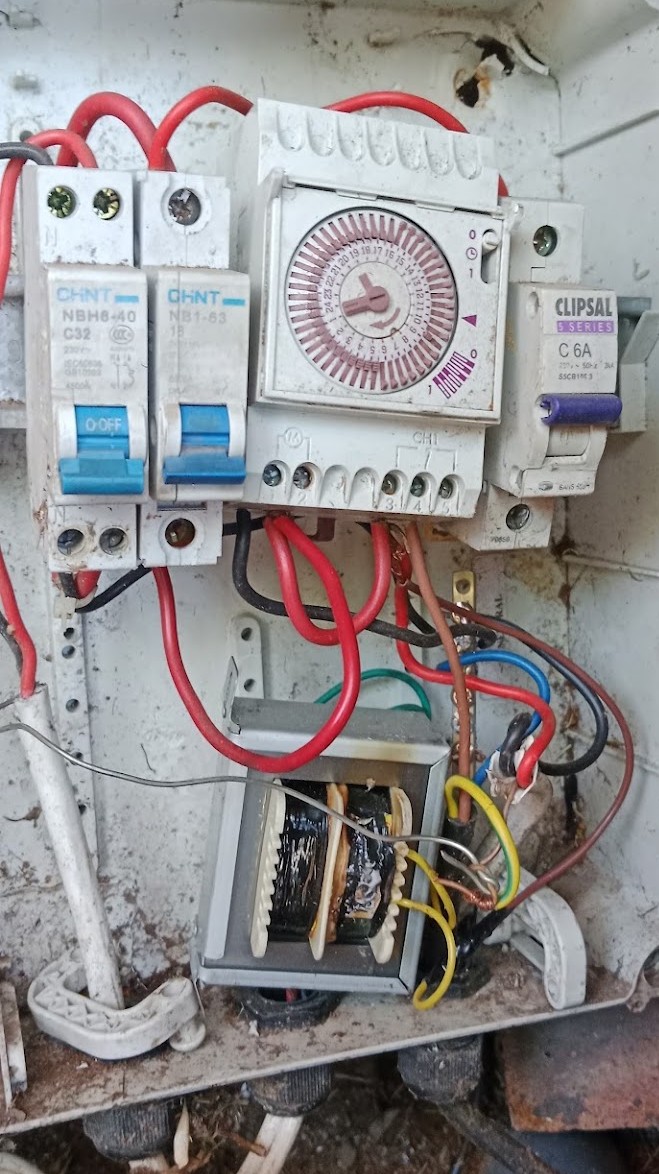
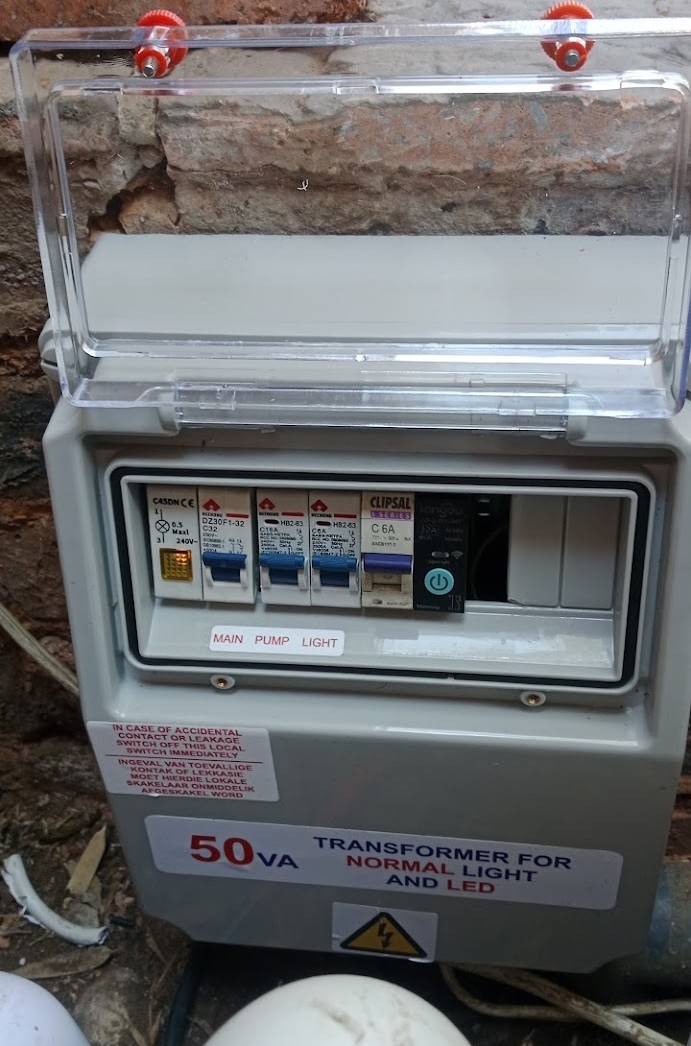
Every week, homeowners across South Africa face the exact same unpleasant surprise when putting their house on the market: an electrical inspection report filled with costly defects, unsafe modifications, and illegal installations.
The most common response?
"But it’s been working fine for years!"
or
"A qualified electrician did that work years ago!"
While a circuit might power a TV or turn on a light bulb without tripping today, functioning is not the same as safe or compliant. Cutting corners with an unqualified handyman or hiring an unregistered contractor might save a few hundred Rand upfront, but the true financial toll almost always comes due when it’s time to sell.
"Cheap Upfront" Always Costs More Later
Unregistered or unqualified individuals often quote significantly cheaper rates for a reason. To keep prices low, they routinely skip essential safety protocols and legal requirements mandated by SANS 10142-1:
-
Wrong Cable Sizing & Substandard Wiring: Running light-duty cabling on heavy-load circuits or failing to route conductors correctly through ceiling spaces.
-
Bypassed or Incorrect Breakers: Installing incorrect amperage breakers or skipping Earth Leakage protection altogether just to stop a circuit from tripping.
-
Improper Earthing & Bonding: Leaving metal roofs, gutters, or sub-boards without solid earth continuity—creating severe hidden shock and fire hazards.
-
Unsafe Junctions & Extensions: Tapping into existing circuits illegally, using unrated connectors, or leaving joint boxes exposed inside ceiling voids.
An unqualified installer leaves as soon as the light switches on and the invoice is paid. They don't test insulation resistance, verify earth loop impedance, or supply a legal Certificate of Compliance (CoC).
Why "Working fine for years" means nothing to the law
Electricity is unforgiving. A circuit can remain energized and "work" for a decade with severe latent defects—such as missing earth continuity, degraded insulation, or undersized conductors—right up until it overheats, causes a shock, or fails an official inspection.
When selling a property, the law (Occupational Health & Safety Act, Electrical Installation Regulations) requires a valid, current Electrical Certificate of Compliance issued by a registered Electrical Contractor.
A registered electrician inspecting the property for transfer cannot simply sign off on unsafe work because it hasn't caught fire yet. Their signature carries full legal accountability for the safety of the installation. If non-compliant or dangerous work is uncovered during the transfer inspection:
-
The seller is legally bound to repair it.
-
Every illegal modification, un-earthed circuit, or unsafe DB layout must be stripped out or brought up to standard.
-
The seller pays thousands of Rand in unexpected structural electrical repairs before conveyancing attorneys can proceed.
What saved R500 on a weekend alteration five years ago often turns into a R10,000+ repair bill right when the seller needs every cent for their move.
The "Qualified Electrician" Misconception
Homeowners frequently assume that because someone arrived in a branded bakkie or claimed to be an electrician, the work was certified.
In South Africa, only an Registered Electrical Contractor registered with the Department of Employment and Labour (DoL)—holding a valid Wireman’s License—can legally inspect, test, and issue a CoC for an installation.
If a contractor cannot provide their Department of Labour registration credentials and issue an official test report upon completing a job, the work is legally uncertified.
Protect Your Home and Your Wallet
To avoid massive repair bills down the line:
-
Verify Registration: Always ask for proof of Department of Labour registration before allowing any contractor to modify your DB board or household wiring.
-
Insist on Supplementary CoCs: Whenever you add a sub-board, alter plug circuits, or install backup power, demand a supplementary CoC for that specific addition immediately upon completion.
-
Don't Accept Shortcuts: If a quote seems suspiciously cheap, ask what testing and certification are included. If testing isn't included, walk away.
Doing it right the first time guarantees your family's safety—and keeps thousands of Rand in your pocket when it comes time to hand over the keys.